
In today’s rapidly changing world, the need for sustainable living has become more urgent than ever. Climate change, pollution, deforestation, and resource depletion are no longer distant concerns—they are realities that affect our daily lives. Sustainable living is not just a trend but a necessity, and environmental awareness is the first step toward achieving it. By making conscious choices in our everyday routines, individuals can collectively create a meaningful impact on the planet.
Sustainable living refers to a lifestyle that aims to reduce an individual’s or society’s use of natural resources. It involves making decisions that minimize harm to the environment while ensuring that future generations can meet their own needs. This concept is closely linked to environmental awareness, which involves understanding the impact of our actions on the environment and taking responsibility for them. Together, these ideas encourage people to adopt habits that are both eco-friendly and socially responsible.
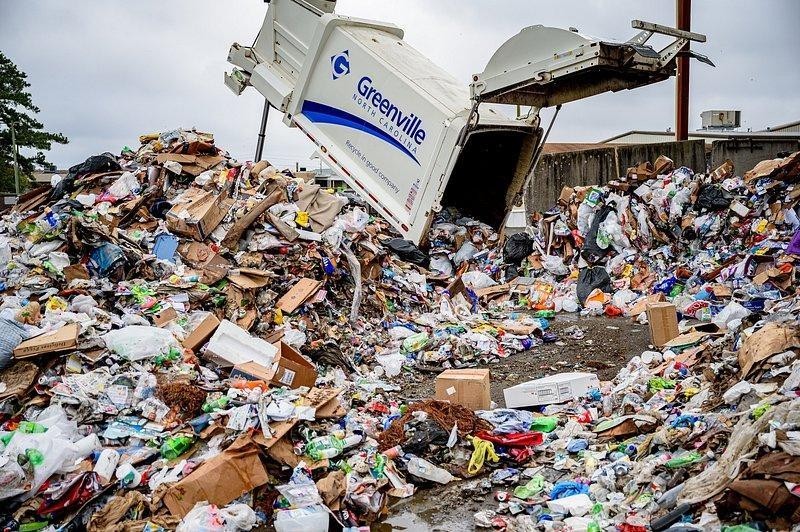
One of the simplest ways to practice sustainable living is by reducing waste. In many households, a significant amount of waste is generated daily, much of which ends up in landfills or oceans. Plastic waste, in particular, has become a major environmental issue. By choosing reusable products such as cloth bags, metal bottles, and glass containers, individuals can significantly reduce their plastic consumption. Recycling and proper waste segregation also play a crucial role in minimizing environmental damage. Small actions, when practiced consistently, can lead to substantial change over time.

Another important aspect of sustainable living is conserving energy. The excessive use of electricity contributes to higher carbon emissions, especially when energy is generated from fossil fuels. Simple measures such as switching off lights when not in use, using energy-efficient appliances, and maximizing natural light can help reduce energy consumption. Additionally, the adoption of renewable energy sources like solar power is becoming increasingly important. Non-profit organizations such as UDAAN Society are actively promoting solar energy initiatives in rural areas, helping communities access clean and sustainable power while reducing their environmental footprint.
Water conservation is equally vital in the pursuit of sustainability. With increasing population and climate variability, water scarcity has become a pressing issue in many parts of the world. Simple practices such as fixing leaks, using water-efficient fixtures, and avoiding unnecessary wastage can make a significant difference. Rainwater harvesting and the reuse of water for gardening and cleaning are also effective ways to conserve this precious resource. By becoming more mindful of water usage, individuals can contribute to preserving it for future generations.
Sustainable living also extends to the choices we make regarding food and consumption. Supporting local and seasonal produce reduces the carbon footprint associated with transportation and storage. Minimizing food waste is another critical step, as discarded food contributes to greenhouse gas emissions. People can adopt habits such as planning meals, storing food properly, and composting organic waste. Additionally, reducing the consumption of processed and packaged foods can further decrease environmental impact.
Transportation is another area where sustainable practices can be implemented. The increasing number of vehicles on the road has led to higher levels of air pollution and carbon emissions. Opting for public transport, carpooling, cycling, or walking can significantly reduce one’s carbon footprint. These alternatives not only benefit the environment but also promote healthier lifestyles. As cities continue to grow, adopting sustainable transportation methods becomes essential for reducing pollution and improving overall quality of life.
Environmental awareness also plays a crucial role in influencing communities and driving collective action. When individuals are informed about environmental issues, they are more likely to adopt sustainable practices and encourage others to do the same. Educational campaigns, social media initiatives, and community programs can help spread awareness and inspire change. NGOs and organizations often use digital platforms, including Google Ads, to reach a wider audience and promote environmental campaigns. By sharing impactful stories and practical solutions, they can motivate people to take action.
Moreover, sustainable living is not limited to individual efforts; it requires collaboration between governments, organizations, and communities. Policies that promote renewable energy, waste management, and environmental protection are essential for creating a sustainable future. Non-profit organizations play a vital role in supporting these efforts by implementing grassroots initiatives and engaging local communities. Their work bridges the gap between policy and practice, ensuring that sustainable solutions reach those who need them most.

One of the most powerful aspects of sustainable living is that it empowers individuals to be part of the solution. Many people believe that their actions are too small to make a difference, but this is far from the truth. When millions of people adopt sustainable habits, the cumulative impact can be transformative. Every small step—whether it is refusing a plastic bag, saving electricity, or supporting an environmental cause—contributes to a larger movement toward sustainability.
In conclusion, sustainable living and environmental awareness are essential for addressing the challenges facing our planet today. By adopting eco-friendly practices and making informed choices, individuals can reduce their environmental impact and contribute to a healthier and more sustainable world. Organizations like UDAAN Society continue to play a crucial role in promoting these values and implementing impactful initiatives. Ultimately, the responsibility lies with each of us to take action and work toward a future where both people and the planet can thrive together.