Access to healthcare is a fundamental human right, yet for millions of people living in rural India, it remains a daily challenge. Despite significant progress in the country’s healthcare system, a large gap still exists between urban and rural areas. Limited infrastructure, shortage of medical professionals, lack of awareness, and financial constraints continue to prevent rural populations from receiving timely and adequate medical care.
One of the major challenges in rural healthcare is the lack of proper medical facilities. Many villages do not have well-equipped hospitals or clinics, forcing residents to travel long distances to access even basic treatment. In emergency situations, this delay can have serious consequences. Primary health centers, which are meant to serve as the first point of contact, are often understaffed or lack essential medicines and equipment. As a result, people either rely on unqualified practitioners or avoid seeking treatment altogether.
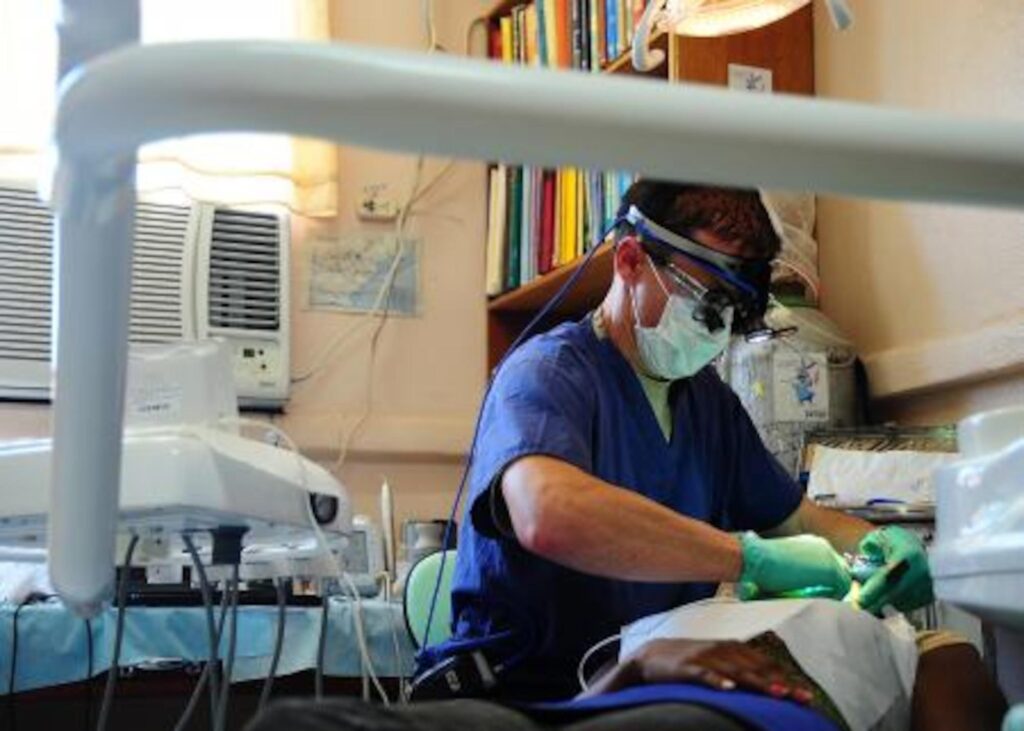
Another significant issue is the shortage of trained healthcare professionals in rural areas. Doctors, nurses, and specialists are more concentrated in urban centers, leaving rural communities underserved. This imbalance is often due to limited resources, lack of incentives, and challenging working conditions in remote locations.Consequently, even when healthcare facilities exist, they may not be able to provide quality care due to the absence of skilled personnel.

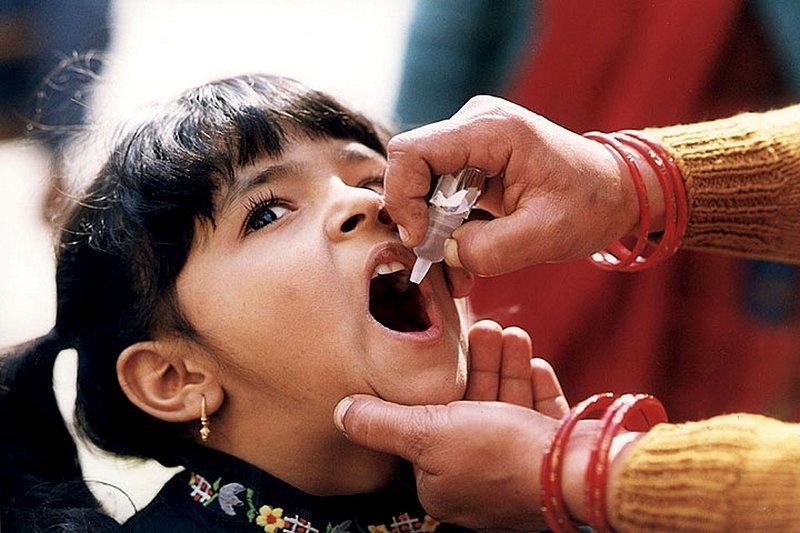
Awareness and education also play a crucial role in healthcare access. In many rural communities, people may not be fully aware of preventive healthcare practices or the importance of early diagnosis. Diseases that could be treated easily in their initial stages often become severe due to neglect or misinformation. For instance, lack of awareness about hygiene, nutrition, and vaccinations contributes to the spread of preventable diseases. Health education campaigns are therefore essential to empower individuals to take better care of their well-being.
Financial constraints further limit access to healthcare in rural India. Many families cannot afford the cost of medical treatments, medications, or transportation to distant hospitals. Even when government schemes are available, a lack of awareness or complex procedures may prevent people from benefiting from them. As a result, individuals often delay or avoid seeking medical help, which can lead to worsening health conditions and increased financial burden in the long run.
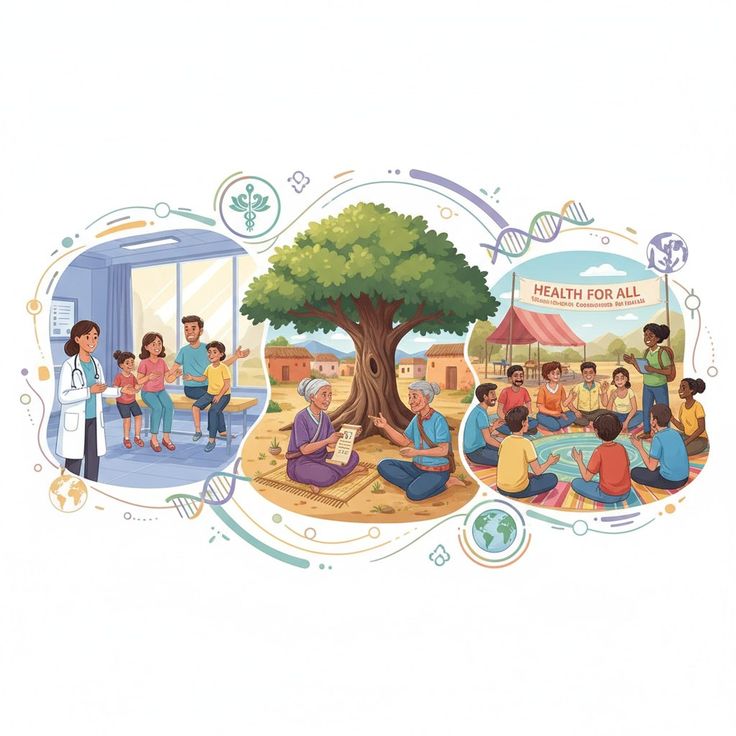
In this context, non-profit organizations play a vital role in bridging the healthcare gap. Organizations like UDAAN Society actively work to improve healthcare access in underserved areas. They organize medical camps, provide free check-ups, distribute medicines, and support patients in need of critical treatments. Such initiatives bring healthcare services directly to rural communities, reducing the need for long-distance travel and making care more accessible.

Technology is also emerging as a powerful tool in improving rural healthcare. Telemedicine, for example, allows patients to consult doctors remotely, reducing the barriers of distance and availability. Mobile health units and digital health platforms are helping extend medical services to even the most remote areas. When combined with on-ground efforts by NGOs and government initiatives, these innovations have the potential to transform rural healthcare delivery.
Promoting healthcare initiatives through digital platforms such as Google Ads can further enhance their reach and impact. Awareness campaigns can inform people about available services, encourage preventive care, and attract donors to support medical programs. Emotional storytelling, real-life case studies, and clear calls to action can motivate individuals to contribute toward improving healthcare access for those in need.
Improving healthcare in rural India requires a collaborative approach involving government bodies, non-profit organizations, healthcare professionals, and the community itself. Investments in infrastructure, better incentives for medical staff, and increased awareness can significantly improve the situation. At the same time, community participation is essential to ensure that healthcare initiatives are effective and sustainable.
In conclusion, access to healthcare in rural India remains a pressing issue that demands immediate attention. While challenges such as inadequate infrastructure, lack of professionals, and financial barriers persist, ongoing efforts by organizations like UDAAN Society offer hope for positive change. By combining awareness, innovation, and collective action, it is possible to create a future where quality healthcare is accessible to all, regardless of location.