In a world where headlines are dominated by million-dollar charity drives and large corporate donations, it’s easy to believe that only big money creates real change. But step a little closer to the ground—into communities, classrooms, and relief camps—and you’ll discover a different, quieter truth: sometimes, ₹100 is all it takes to begin changing a life.
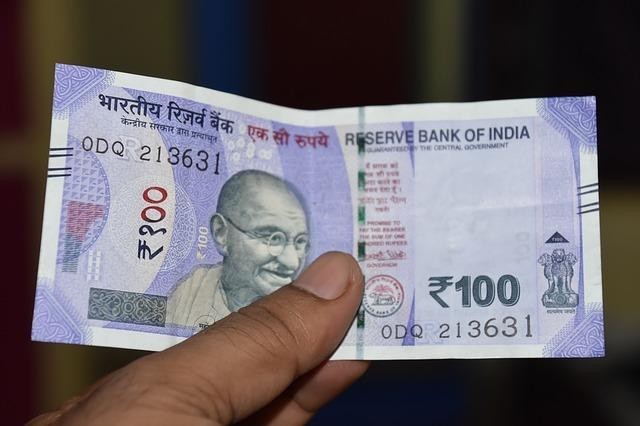
Small donations may seem modest, even insignificant on their own. Yet when multiplied by hundreds or thousands of people, they become a powerful force for good. This idea—often called collective giving—is transforming how non-profits operate and how everyday people participate in social change. Organizations like UDAAN Society are built around this belief, proving that impact doesn’t depend on wealth, but on willingness.
Why Small Donations Matter More Than You Think
Let’s start with a simple question: What can ₹100 really do?
Individually, it might cover a simple meal, buy a few school supplies, or contribute toward basic medicine. But collectively, its potential grows exponentially. Imagine 1,000 people each contributing ₹100. That’s ₹1,00,000—enough to run a community program, sponsor education initiatives, or support healthcare outreach.
This is the core strength of small donations: they scale. More importantly, they shift the narrative of giving. Instead of charity being driven by a few wealthy individuals, it becomes a shared effort. Anyone—students, young professionals, retirees—can participate. This inclusivity is what makes small donations not just financially impactful, but socially powerful.
The Real-Life Impact of ₹100
To truly understand the value of small donations, it helps to see how they translate into real-world outcomes.
Feeding a Family
In many communities, ₹100 can contribute to a day’s worth of meals for a family. When pooled with other donations, it helps NGOs run food distribution drives or community kitchens, ensuring no one goes to bed hungry.
Supporting a Child’s Education
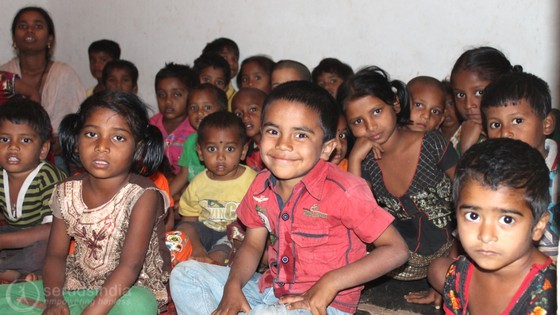
Education is one of the most effective ways to break the cycle of poverty. A small contribution can provide notebooks, pens, or even access to digital learning resources. Over time, these small acts of support help children stay in school and build better futures.
Providing Basic Healthcare
For families with limited income, even basic medical care can be out of reach. Small donations can help fund health camps, vaccinations, or essential medicines. In urgent situations, they can even contribute to life-saving treatments through crowdfunding.
Responding to Emergencies
Whether it’s a natural disaster or a sudden crisis, small donations enable quick action. Because they come in rapidly and from many sources, NGOs can mobilize resources faster and respond more effectively.
The Rise of Crowdfunding and Micro-Giving
One of the biggest reasons small donations have become so impactful is the rise of digital platforms. Crowdfunding has made it easier than ever for individuals to contribute to causes they care about.
With just a smartphone and an internet connection, anyone can donate ₹100 within seconds. Campaigns often use simple, relatable messaging like “Every ₹100 counts” or “Be part of the change,” making it easy for people to connect emotionally and take action.
Social media further amplifies this effect. A single campaign can reach thousands—or even millions—of people within days. When each person contributes a small amount, the collective result can be extraordinary.
Encouraging Participation: The Emotional Power of Giving
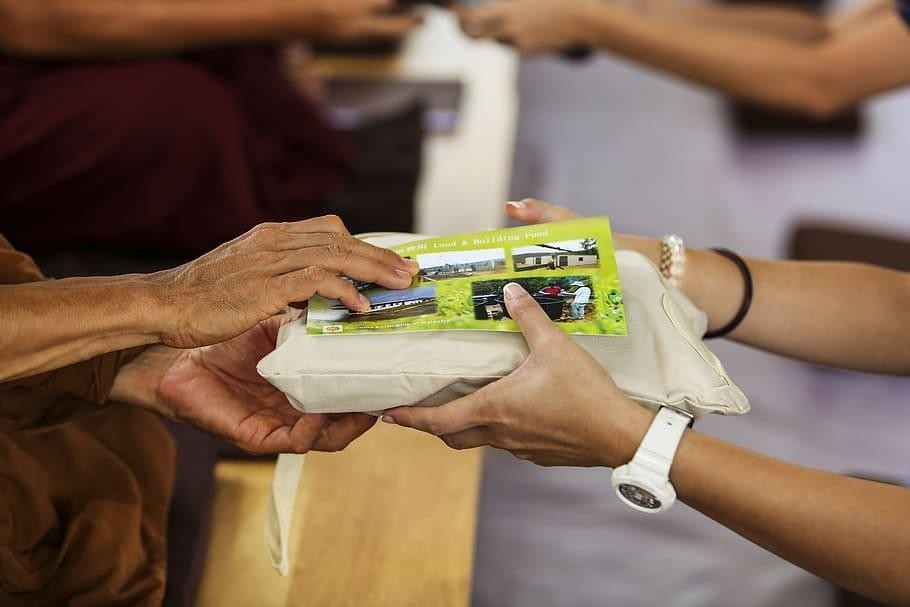
Small donations do more than raise funds—they build communities. When people contribute even a small amount, they feel connected to the cause. They become part of something bigger than themselves. This emotional investment is crucial because it turns one-time donors into long-term supporters .Unlike large donations, which often come from a limited group, small contributions invite widespread participation. This creates a sense of shared responsibility and collective ownership. People don’t just feel like donors—they feel like changemakers.
For NGOs, this is invaluable. A strong, engaged community of supporters can sustain initiatives over time, advocate for causes, and inspire others to join.
Leveraging Technology: Google for Nonprofits
In today’s digital age, technology plays a key role in scaling the impact of small donations. One powerful tool that NGOs can leverage is Google for Nonprofits.
This initiative provides eligible non-profits with access to a range of free tools designed to enhance their reach and efficiency. One of its most impactful features is Google Ad Grants, which offers free advertising credits to promote campaigns on Google Search.
How It Helps NGOs
With Google Ad Grants, organizations can run targeted campaigns using keywords like “donate ₹100,” “support education,” or “help families in need.” This ensures their message reaches people who are actively looking to contribute.
For example, a campaign built around the message “Every ₹100 can feed a child” can appear in search results when users look for ways to help. This increases visibility and drives more small donations.
Beyond Advertising
Google for Nonprofits also includes tools like Google Workspace (for collaboration), YouTube (for storytelling), and Google Analytics (for tracking campaign performance). Together, these tools help NGOs operate more efficiently and connect with a global audience.
By combining digital outreach with the philosophy of small donations, organizations can scale their impact significantly.
Breaking the Myth: Bigger Isn’t Always Better
There’s a common misconception that only large donations create meaningful change. While big contributions are important, they are not the only path to impact.
Small donations offer unique advantages:
- Stability: A large base of small donors provides consistent funding.
- Resilience: Organizations are less dependent on a few major donors.
- Engagement: More donors mean a stronger, more connected community.
In many ways, small donations create a more sustainable model of giving. They ensure that support continues even if one source of funding decreases.
Building a Culture of Everyday Giving
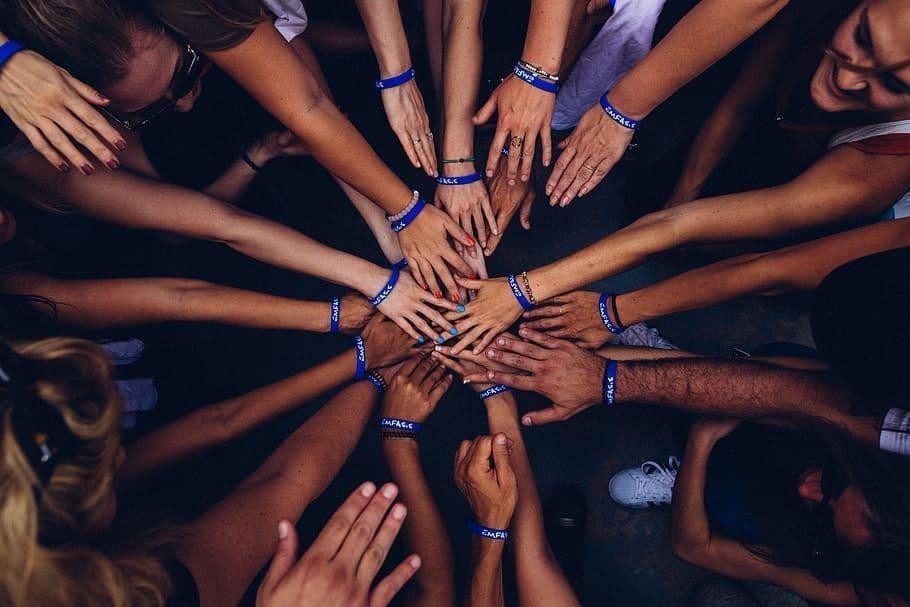
One of the most powerful outcomes of small donations is the culture they create. When giving becomes simple and accessible, it becomes a habit rather than an exception.
Imagine a world where thousands of people set aside just ₹100 each month for social causes. The cumulative effect would be enormous—not just in terms of funds raised, but in the mindset it fosters.
Giving would no longer feel like a rare act reserved for special occasions. Instead, it would become part of everyday life—a small but meaningful way to contribute to society.
The Role of NGOs in Promoting Small Donations
For this model to succeed, NGOs play a crucial role. They must communicate clearly how small contributions make a difference. Transparency, storytelling, and regular updates are key to building trust.
Organizations like UDAAN Society focus on:
- Sharing real stories of impact
- Highlighting how each ₹100 is used
- Creating simple and accessible donation processes
- Engaging donors through regular communication
By doing so, they ensure that donors not only contribute but also stay connected to the cause.
Small Steps, Big Change
At its core, the idea of small donations is both simple and powerful: change doesn’t have to start big—it just has to start.
₹100 may not seem like much, but when combined with the contributions of others, it becomes a force capable of transforming lives. It feeds families, educates children, provides healthcare, and offers hope where it’s needed most.More importantly, it reminds us that everyone has the power to make a difference. You don’t need to be wealthy to contribute to change—you just need to care.
In a world facing complex challenges, the solution doesn’t always lie in grand gestures. Sometimes, it lies in small, consistent actions taken by many. And that’s the true beauty of collective giving: together, even the smallest contributions can create something extraordinary.