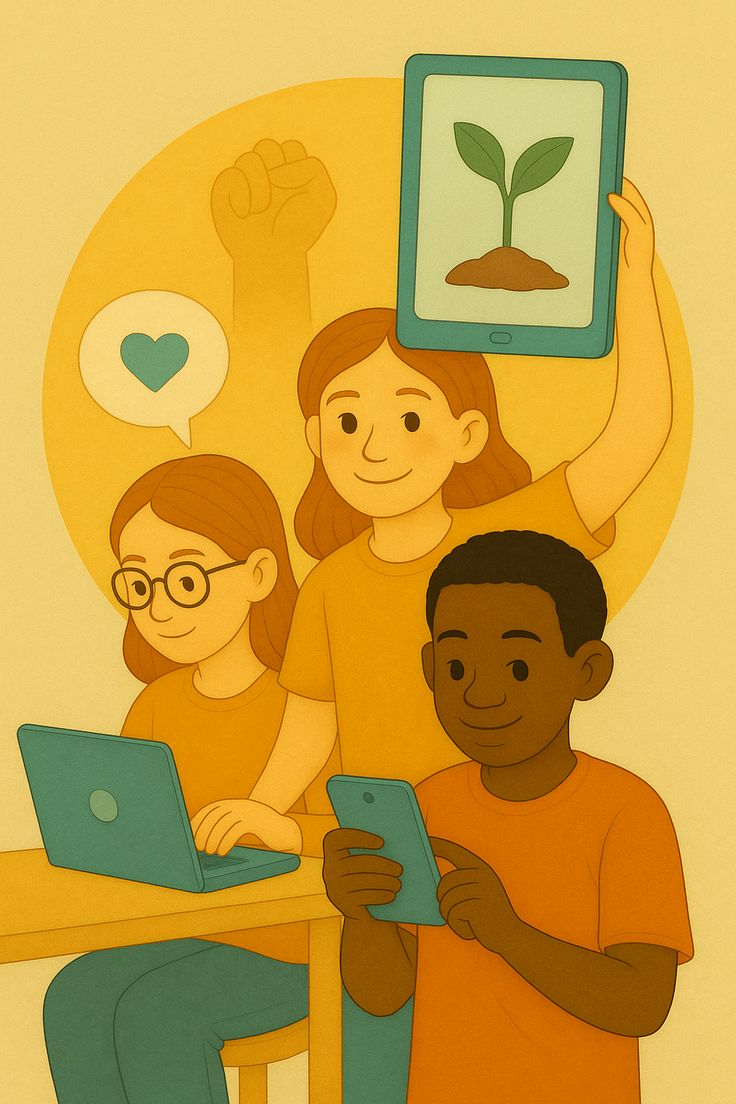
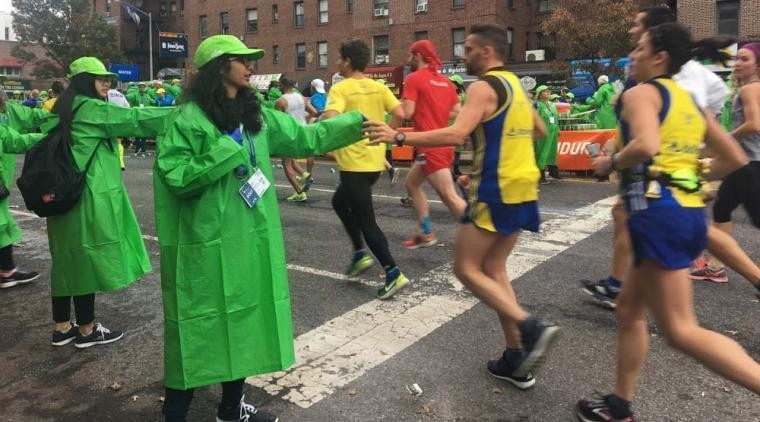
In today’s fast-paced, technology-driven world, the way people contribute to social causes has evolved dramatically. Traditional volunteerism—often associated with physical presence and on-ground activities is no longer the only way to make a difference. With the rise of digital technology, a new form of contribution has emerged: digital volunteerism.
From students attending online classes to professionals working remotely, people are increasingly comfortable operating in virtual spaces. This shift has opened up new opportunities for individuals to support meaningful causes without being limited by geography or time constraints. Organizations like UDAAN Society are embracing this transformation, using digital platforms to connect with volunteers who are eager to contribute their skills from anywhere in the world.
What is Digital Volunteerism?
Digital volunteerism refers to the practice of offering time, skills, and expertise to support non-profit organizations through online platforms. Unlike traditional volunteering, it does not require physical presence. Instead, it leverages the internet and digital tools to enable remote collaboration.
This form of volunteering includes a wide range of activities, such as:
- Content writing and blogging
- Social media management
- Graphic design and video editing
- Website development
- Online tutoring and mentoring
- Research and data analysis
- Fundraising and campaign support
What makes digital volunteerism unique is its accessibility. Anyone with a device and an internet connection can participate, regardless of location. This inclusivity allows NGOs to tap into a diverse and global pool of talent.
The Rise of Remote Contribution
The growth of digital volunteerism is closely tied to the broader shift toward remote work and online communication. Platforms like LinkedIn, Zoom, and Google Meet have made it easier than ever for teams to collaborate virtually.
For NGOs, this means they are no longer restricted to local volunteers. A student in Pune can design graphics for a campaign in Delhi, while a professional in another country can help with fundraising strategies. This borderless collaboration significantly enhances the reach and efficiency of non-profit initiatives.
Flexibility: The Biggest Advantage
One of the most appealing aspects of digital volunteerism is flexibility. Unlike traditional volunteering, which often requires fixed schedules, digital volunteering allows individuals to contribute at their convenience.
For students balancing academics or professionals managing busy work schedules, this flexibility is crucial. They can dedicate a few hours a week, or even a few minutes a day toward meaningful work without disrupting their primary responsibilities.
This flexibility also benefits NGOs. They can manage multiple volunteers working on different tasks simultaneously, without the logistical challenges of coordinating physical presence. As a result, organizations can scale their operations with minimal additional cost.
Expanding Impact Through Digital Skills
Digital volunteerism is not just about participation—it’s about impact. Many volunteers bring specialized skills that can significantly enhance an NGO’s operations.
For example:
- A content writer can craft compelling stories that inspire donations.
- A graphic designer can create visually appealing campaigns.
- A social media manager can increase visibility and engagement.
- A tutor can educate children through online sessions.
These contributions directly influence how effectively an organization communicates its mission and achieves its goals. By leveraging digital talent, NGOs can operate more professionally and reach a wider audience.
Digital Campaigns and Online Awareness
In the digital age, awareness is everything. Even the most impactful initiatives need visibility to attract support. This is where digital volunteers play a crucial role.

Volunteers managing online campaigns can use platforms like Google Ads to promote causes, reach potential donors, and drive engagement.
Campaigns with simple, relatable messages—such as “Support a child’s education” or “Every contribution matters”—can resonate with a broad audience.
Social media platforms like Instagram and Facebook further amplify these efforts. A single post or campaign can reach thousands of people, encouraging them to donate, volunteer, or share the message.
Digital volunteers, therefore, act as amplifiers of change—helping NGOs extend their voice far beyond traditional boundaries.
Building Meaningful Connections
One might assume that digital interactions lack the emotional depth of in-person experiences. However, digital volunteerism often creates strong and meaningful connections between individuals and the causes they support.
When volunteers contribute their skills—whether it’s teaching a child online or designing a campaign—they feel directly involved in the impact. They can see the results of their work, receive feedback, and stay updated on progress.
This sense of involvement fosters:
- A deeper emotional connection to the cause
- A stronger sense of purpose
- Long-term commitment to social work
For many, digital volunteerism becomes more than just an activity—it becomes a meaningful part of their identity.
Empowering a New Generation of Changemakers
Digital volunteerism is particularly appealing to younger generations. Students and young professionals, who are already familiar with digital tools, find it easier to engage in online volunteering.
This accessibility encourages early involvement in social causes, helping build a culture of empathy and responsibility. It also allows young people to gain practical experience, develop new skills, and build portfolios that can benefit their careers.
For example, managing a social media campaign for an NGO or designing content for a fundraising initiative provides real-world experience that goes beyond traditional classroom learning.
Cost-Effective Growth for NGOs
For non-profit organizations, resources are often limited. Digital volunteerism offers a cost-effective way to expand operations without significant financial investment.
Instead of hiring full-time staff for every role, NGOs can collaborate with volunteers who contribute their expertise remotely. This reduces operational costs while maintaining high-quality output.
Additionally, digital tools eliminate the need for physical infrastructure, travel expenses, and other logistical costs. This allows organizations to allocate more resources directly toward their programs and beneficiaries.
The Future of Volunteerism
As technology continues to evolve, digital volunteerism is likely to grow even further. Emerging tools such as artificial intelligence, virtual reality, and advanced collaboration platforms will create new opportunities for remote contribution.
We may soon see volunteers conducting virtual training sessions, using AI tools for research, or creating immersive awareness campaigns. The possibilities are vast, and the potential for impact is immense.
Making a Difference from Anywhere
Volunteerism in the digital age has redefined what it means to contribute. It has broken down barriers of distance, time, and accessibility, allowing anyone with a willingness to help to become a changemaker. Whether it’s writing a blog, managing a campaign, teaching a student, or designing a poster, every digital contribution matters. Organizations like UDAAN Society are demonstrating that meaningful change can happen not just on the ground, but also through screens and connections.
In the end, digital volunteerism is more than just a trend—it’s a powerful movement. It proves that you don’t need to be physically present to make a difference. All you need is a skill, a cause you care about, and the commitment to take action.
Because in today’s connected world, changing lives can begin with just a click.